

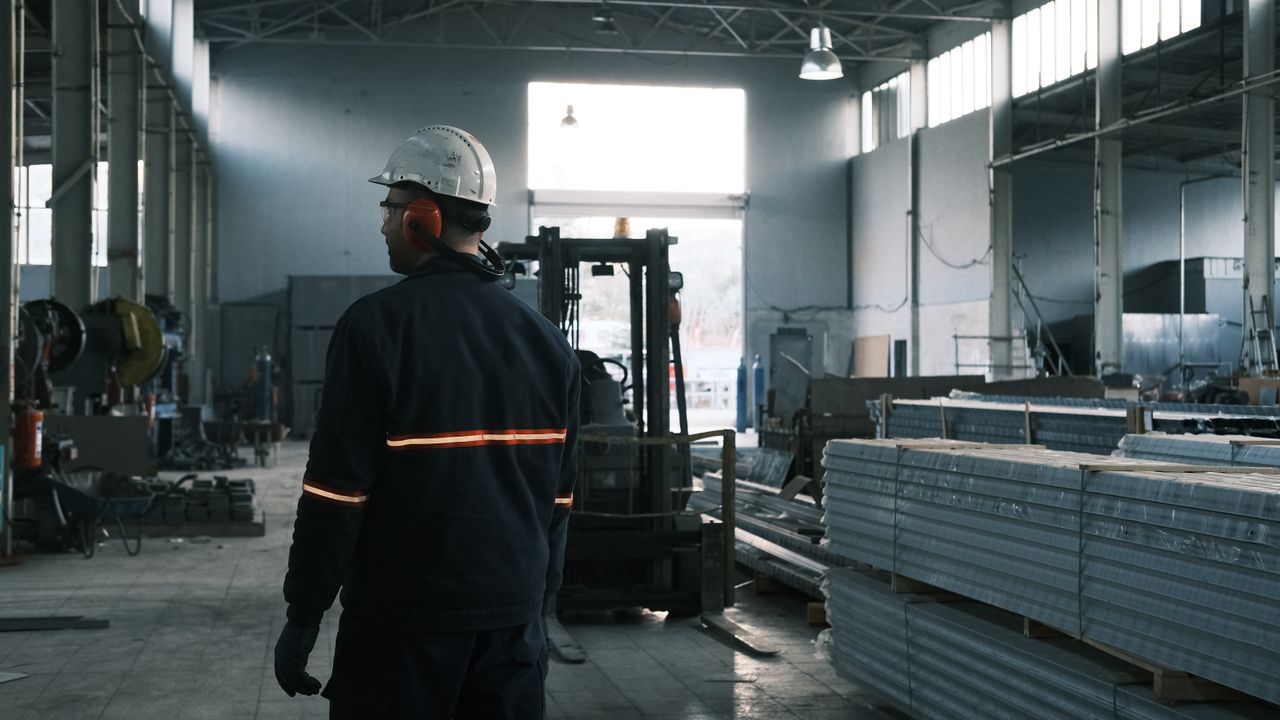
Selling a product under your own brand is one of the most attractive business models available. You control the design, the pricing, and the customer relationship. The factory stays invisible. The brand is yours.
The challenge is finding a factory that can build to your specifications, maintain consistent quality, protect your design, and not decide six months later that they would rather sell your product themselves. That challenge is real. And it is entirely manageable if you go in with the right approach.
What OEM Manufacturing Actually Means
OEM stands for Original Equipment Manufacturer. In practice, it means the factory makes the product and you sell it under your own brand. The factory’s name appears nowhere on the packaging. Your brand does.
It is worth distinguishing OEM from two related models that often get confused:
| Model | How It Works | Best For |
| OEM | Factory builds to your custom specifications | Brands with defined product specs and IP to protect |
| ODM | Factory offers an existing design you can rebrand | Faster to market, lower upfront cost, less customization |
| Private Label | You choose from existing products and add your branding | Simplest entry point, minimal customization |
OEM gives you the most control and the most differentiation. It also requires the most upfront investment in specifications, tooling, and verification. ODM is faster and cheaper but limits how different your product can be from what the factory already makes.
Why China Dominates OEM Manufacturing
The scale of China’s OEM manufacturing ecosystem is difficult to overstate. For virtually every product category, from consumer electronics and apparel to industrial components and personal care, there are clusters of specialized factories, component suppliers, and tooling specialists operating within the same geographic area.
That concentration delivers three things that matter to brand owners:
- Cost. Tooling, labor, and component costs remain competitive across most categories, even with rising wages in coastal manufacturing hubs.
- Speed. From an approved design to production-ready tooling in weeks, not months. Prototype iteration cycles that take a quarter in Europe take days in Shenzhen.
- Ecosystem. The materials, components, and specialist subcontractors your product needs are often in the same industrial cluster as the factory. That proximity reduces lead times and supply chain complexity.
OEM manufacturing china is not just about cost. It is about access to the deepest, most specialized manufacturing ecosystem in the world.
If you are at the stage of identifying which factories are realistically equipped for your product category and specifications, MWT Sourcing can build that shortlist for you. Get in touch and let’s start with your product brief.
How to Find and Vet an OEM Manufacturer in China
The process matters as much as the factory you end up with.
Define your specifications before approaching anyone. A clear product brief, target unit cost, and minimum order quantity expectation should exist before you contact a single factory. Vague briefs attract vague quotes and produce misaligned samples.
Build a longlist from the right channels. Alibaba, Global Sources, and the Canton Fair are the standard starting points. Filter for manufacturers, not trading companies. A trading company cannot provide the tooling ownership, quality records, or customization control that an OEM relationship requires.
Request samples from two or three shortlisted factories. Never commit to tooling investment based on a single factory’s pitch. Compare samples, lead times, communication quality, and willingness to share documentation side by side.
Run a factory audit before committing to tooling. Tooling is a significant upfront investment. Before you make it, verify that the factory has the production capability, quality systems, and capacity it claims. A third-party factory audit is the only reliable way to do that.
Protecting Your IP in an OEM Relationship
This is the section most brand owners wish they had read before their first OEM order.
China operates a first-to-file trademark system. That means whoever registers a trademark in China first owns it, regardless of who created the brand. If you share your product design or brand name with a factory before registering your trademark in China, you are taking a risk that is entirely avoidable.
Register your trademark in China before you share anything with any factory. The process takes time, so start it early.
Beyond trademark registration, every OEM relationship in China should be governed by an NNN agreement: Non-Disclosure, Non-Use, and Non-Circumvention. This is not the same as a standard NDA. A Western-style NDA is not reliably enforceable in Chinese courts. An NNN agreement, drafted under Chinese law, is.
Your manufacturing agreement should also include:
- Exclusivity clauses preventing the factory from selling your design to competitors
- Non-compete terms restricting the factory from producing the same product for other brands
- Termination conditions that protect your tooling ownership if the relationship ends
- Clear payment terms tied to production milestones, not upfront lump sums
The risk of a factory becoming your competitor is not hypothetical. It happens at every scale, from small consumer goods brands to large technology companies. The right agreements, in place before production starts, are your primary protection.
At MWT Sourcing, we help clients structure the right agreements and verification process before they commit to a factory or invest in tooling. If you want that framework in place before your first OEM order, reach out and we’ll walk you through it.
What to Expect on Costs and Timelines

A few numbers worth having before you start negotiations:
- Tooling costs. Mould creation is a one-time upfront investment. Expect $1,000 to $10,000 or more depending on product complexity, number of cavities, and material requirements. You should own the tooling, not the factory.
- MOQ. OEM factories typically require higher minimum order quantities than off-the-shelf suppliers. Plan for 500 to 5,000 units minimum depending on category, with significant variation by product type.
- Lead time. From approved sample to first production run, allow 30 to 90 days. Complex products with multiple components or tight tolerances sit at the longer end.
- Payment terms. Standard OEM payment structure is 30% deposit on order confirmation and 70% before shipment. Avoid factories that demand full payment upfront, particularly before tooling is complete.
These are starting points, not fixed rules. Negotiation is expected and normal. What matters is that you go in knowing the realistic ranges.
Building a Brand on a Foundation That Holds
OEM manufacturing in China is one of the most effective ways to build a differentiated product brand at competitive cost. The factories are there. The capability is there. The ecosystem is there.
What separates the brand owners who build something durable from those who spend a year untangling IP disputes and quality problems is preparation: clear specifications, protected trademarks, the right agreements, and a verified manufacturing partner before any money changes hands.
At MWT Sourcing, we manage the full OEM process for brand owners across Europe and North America, from factory identification and auditing to agreement structuring, tooling oversight, and production management.
Whether you are starting your first OEM project or looking to move production to a better-qualified factory, we are here to make it work. Contact us with your product brief and let’s build something that lasts.