


Most product ideas never make it to market. Not because the idea was bad, but because the gap between a concept and a finished, manufacturable product is wider than most people expect. Finding a factory willing to quote you is easy.
Finding a partner who can take your idea through prototyping, design refinement, testing, and into reliable production is a different challenge entirely.
China offers the fastest and most cost-effective path from concept to production available anywhere in the world. But only if you approach it with the right process.
Why China Is Still the Right Place to Build Your Product
The case for developing products in China is not just about cost, though the cost advantage is real. It is about the manufacturing ecosystem.
China has the deepest concentration of suppliers, component manufacturers, tooling specialists, and prototyping facilities on the planet. In Shenzhen alone, you can go from a 3D-printed prototype to a CNC-machined sample to a small production run in a matter of weeks.
That speed and density of capability is simply not available at the same scale anywhere else.
- Speed. Prototyping and iteration cycles that take months in Europe or North America can be completed in weeks in China.
- Cost. Tooling, moulding, and manufacturing costs remain significantly lower, even accounting for shipping and duties.
- Component access. For electronics, hardware, and consumer goods especially, the supply chain for components is right next door to the factory.
- Scalability. The same ecosystem that handles your 500-unit prototype run can scale to 50,000 units without changing partners.
If you are at the early stage of figuring out whether China is the right fit for your product and manufacturing needs, MWT Sourcing can help you map the right approach before you commit to anything.
Get in touch and let’s look at your product together.
The Product Development Process in China, Step by Step
Product development china is not a single event. It is a sequence of decisions, each one building on the last. Getting the order right matters as much as getting the individual steps right.
- Define your product specifications clearly.
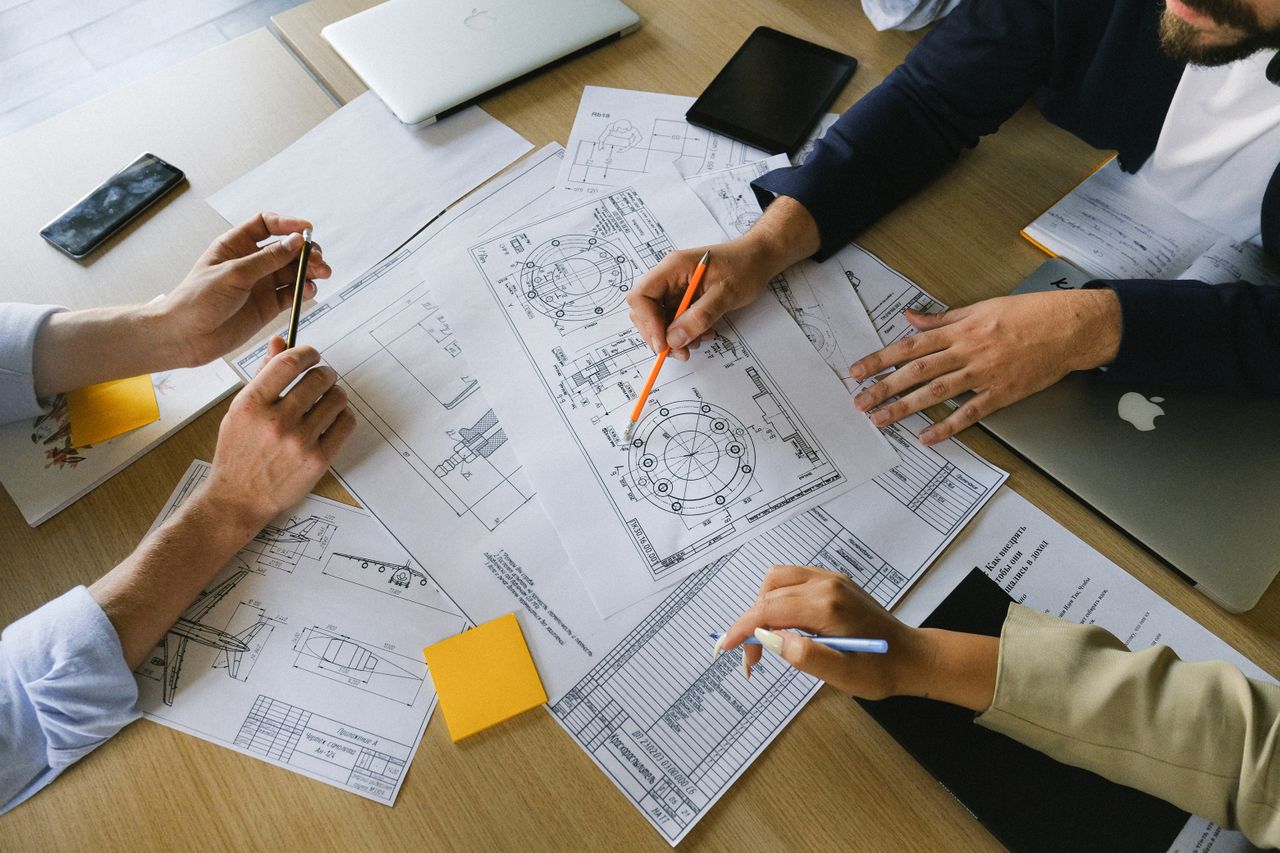
Before you share anything with a factory, you need a clear brief: drawings or sketches, target dimensions and materials, functional requirements, and your target cost per unit. Vague briefs produce vague quotes and misaligned samples. The more specific you are upfront, the less you iterate later.
- Protect your IP before sharing anything.
This step comes before supplier contact, not after. In China, a standard NDA is not enforceable in the same way it is in Western jurisdictions. What you need is an NNN agreement: Non-Disclosure, Non-Use, and Non-Circumvention. This is the China-specific legal instrument that prevents a factory from copying your design, using it themselves, or going around you to your customers. Register your trademark in China before you share designs with anyone.
- Find the right manufacturing partner.
Not every factory is a product development partner. Some are set up for high-volume production of existing designs. Others specialize in new product development, prototyping, and design iteration. Matching your stage of development to the right type of partner saves significant time and money.
- Prototype and iterate.
China’s prototyping infrastructure is one of its greatest advantages. 3D printing, CNC machining, and vacuum casting allow you to produce physical samples quickly and cheaply. Plan for multiple rounds of iteration. The goal is to validate your design before you spend money on tooling.
- Run a Design for Manufacturing review.
A DFM review is an assessment of your product design from a manufacturing perspective. It identifies features that are difficult or expensive to produce at scale and suggests modifications that reduce cost and improve consistency without compromising the product. This step is often skipped by first-time developers and almost always regretted.
- Test before you tool.
Functional testing, reliability testing, and compliance testing for your target market should happen before you commit to production tooling. Regulatory requirements vary by market: CE marking for Europe, FCC for the US, and others depending on your product category. Discovering a compliance issue after tooling is expensive. Discovering it before is just a design revision.
- Run a pilot production batch.
Before full-scale manufacturing, run a pilot batch of 100 to 500 units. This validates the production process, catches tooling issues, and gives you real units to test in market conditions. It is the single most effective way to avoid a costly mass-production failure.
At MWT Sourcing, we manage the full product development process in China on behalf of our clients, from the first prototype to the pilot run and into production.
If you want that process handled without having to manage it yourself, reach out and we’ll take it from there.
The Biggest Risks in New Product Development China and How to Manage Them

The risks are real. But they are manageable if you know what to watch for.
- IP theft. Sharing designs without an NNN agreement and Chinese trademark registration is one of the highest-risk moves a product developer can make. Do both before any factory contact.
- Communication gaps. Verbal briefings and rough sketches produce misaligned samples. Written specifications, annotated drawings, and approved reference samples are the standard for a reason.
- Cost-only decision making. The cheapest factory is rarely the right development partner. Development requires capability, communication, and willingness to iterate. A factory optimized for low-cost mass production is not set up for that.
- Skipping the pilot run. Going straight from approved sample to mass production is one of the most expensive mistakes in manufacturing. A pilot run exists to catch what the sample process missed.
The factories that are easiest to work with at the quoting stage are not always the ones best equipped to develop your product. Choose your development partner for capability, not price.
Turning Your Product Idea Into a Supply Chain
The importers and brand owners who succeed with product development in China share one approach: they treat it as a managed process, not a series of one-off conversations with factories.
That means clear specifications, protected IP, the right manufacturing partner for the right stage, and a pilot run before mass production. It means making decisions based on verified capability, not the lowest quote.
At MWT Sourcing, we have guided products from initial concept through prototyping, DFM review, compliance testing, and pilot production for clients across Europe and North America. Whether you are starting with a sketch or a near-final design that needs a manufacturing partner, we are here to move it forward.
Contact us and let’s talk about what your product needs to get built right.