


You’ve placed the order. The factory confirms production is done. The shipment is ready to go. Then the container arrives at your warehouse and you open it to find the wrong color, missing labels, packaging that didn’t survive transit, or units that simply don’t work.
At that point, your options are limited and all of them are expensive. Rework costs money. Returns cost more. And the time lost while you sort it out costs most of all.
This is exactly the problem a pre-shipment inspection is designed to prevent.
What Is a Pre-Shipment Inspection
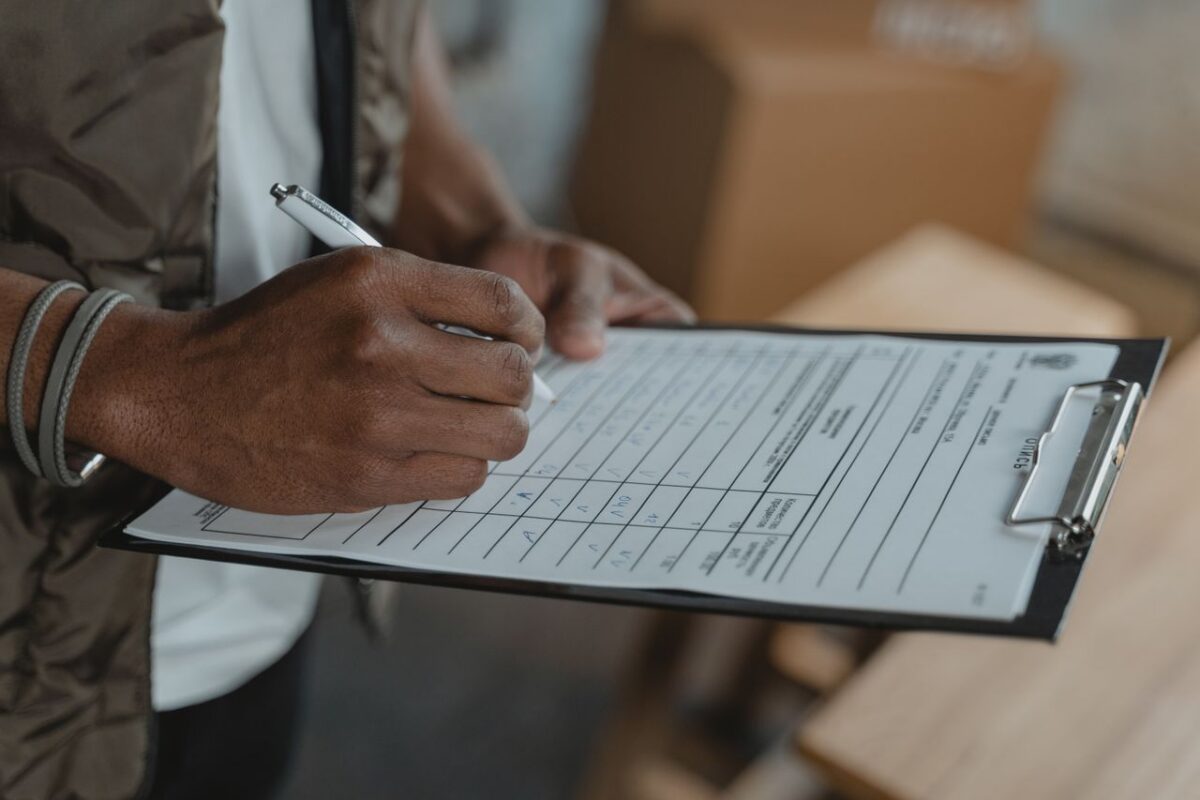
A pre-shipment inspection, also known as a Final Random Inspection, is a quality check carried out at the factory before your goods are loaded and shipped. It takes place when at least 80% of the production run is complete, giving inspectors access to finished goods while there is still time to fix problems.
A qualified third-party inspector visits the factory, pulls a random sample from the production batch, and checks it against your product specifications, approved samples, and any applicable regulatory requirements.
If you are not sure what scope of inspection your product needs or which checkpoints matter most for your category, MWT Sourcing can help you define that before you book anything. Get in touch and we’ll make sure the inspection is set up to actually catch what matters.
What Does a Product Inspection in China Actually Check
A thorough pre-shipment inspection in China covers more than just whether the product looks right. Here is what a qualified inspector evaluates:
- Quantity verification. Are the units in the shipment consistent with what was ordered? Shortfalls and overages both need to be flagged.
- Workmanship and defects. Each sampled unit is examined for surface defects, assembly issues, finish quality, and anything that deviates from the approved sample.
- Product conformity. Does the product match your specifications in terms of dimensions, materials, color, weight, and function? Product conformity is the core of what an inspection validates.
- Labeling and marking. Are barcodes, country-of-origin labels, care instructions, and regulatory markings correct and properly placed?
- Packaging integrity. Is the packaging strong enough to survive shipping? Are inner and outer cartons correctly labeled and packed to the agreed configuration?
- On-site functional tests. For applicable products, inspectors run basic tests on-site: power-on checks, mechanical function, safety features, and more.
- Container loading check. If the goods are being loaded during the inspection, the inspector can verify loading conditions and confirm the container is sealed correctly.
How AQL Sampling Works
Inspectors do not check every single unit in a production run. Instead, they use AQL sampling, which stands for Acceptable Quality Limit. It is the international standard (ISO 2859-1) that determines how many units to pull from a batch and what defect rate is acceptable before a lot is considered failed.
The sample size depends on your total order quantity. The pass or fail decision depends on how many defects are found within that sample, and how those defects are classified: critical, major, or minor.
A critical defect is one that poses a safety risk or makes the product unusable. A major defect affects function or appearance significantly. A minor defect is a cosmetic issue that most end users would notice but that does not affect use.
Your AQL thresholds should be agreed with your supplier before production starts, not after the inspection is booked.
What a Pre-Shipment Inspection Report Contains
After the on-site visit, you receive a written inspection report, typically within 24 hours. A good report includes:
- A clear pass or fail verdict based on your agreed AQL thresholds
- A defect catalog with photos of every non-conformity found
- Quantity and packaging findings
- Results of any on-site functional tests
- Notes on corrective actions required if the lot has failed
The report is your evidence. If you need to push back on the factory, request rework, or hold payment, this document is what you use.
At MWT Sourcing, we review inspection reports on behalf of our clients and advise on the right next step, whether that is approving the shipment, requesting rework, or escalating to a dispute. If you want a second set of experienced eyes on your reports, reach out and we can take it from there.
When to Book a Pre-Shipment Inspection
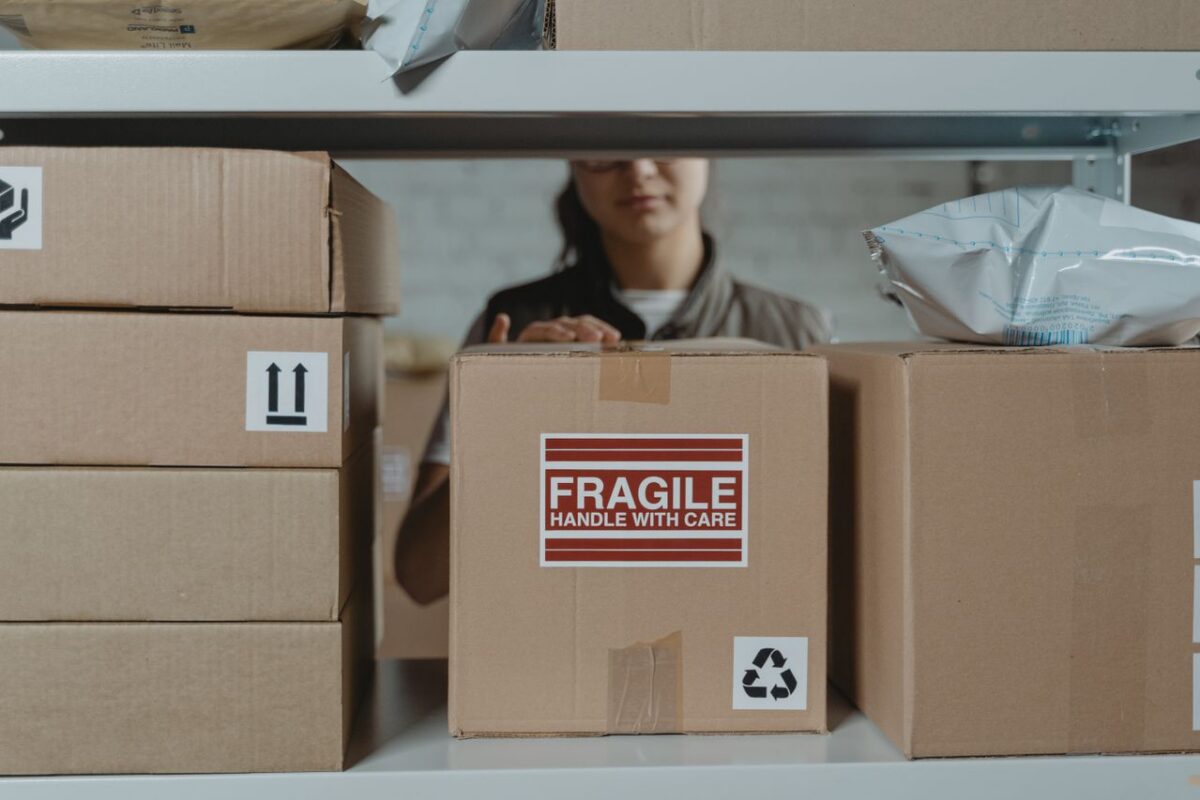
Timing matters. Book too early and the inspector arrives before enough finished goods are available to sample properly. Book too late and the container is already sealed.
The right window is when 80% or more of production is complete and goods are packed or ready to pack. Give the factory at least 48 to 72 hours notice so they can have the goods ready and accessible.
For most standard orders, one inspection day is sufficient. Larger or more complex orders may require two inspectors or two days on-site.
Common Issues Caught During Inspections
Here is what third-party inspection china consistently turns up across product categories:
- Wrong dimensions or colors compared to the approved sample
- Missing or incorrect regulatory labels and barcodes
- Packaging that fails drop or compression tests
- Functional defects that only appear during testing, not visual checks
- Quantity shortfalls where the carton count does not match the packing list
- Surface defects caused by poor handling during packing
None of these are unusual. Most factories produce some level of non-conformity on every run. The inspection exists to find them before they become your problem.
Make Inspection Part of Every Order
Skipping a pre-shipment inspection to save $300 is one of the most common and most costly decisions importers make. The inspection fee is fixed. The cost of a failed shipment is not.
At MWT Sourcing, we’ve seen $300 inspections save clients from $30,000 mistakes. The math is not complicated.
The importers who get this right treat pre-shipment inspection China as a standard line item in every order, not an optional extra they consider when something feels uncertain. By the time something feels uncertain, it is often too late.
If you are sourcing from China and want to make sure your next shipment arrives right, MWT Sourcing coordinates third-party inspections across China on behalf of our clients. Contact us before your next production run and we’ll make sure the right checks are in place.