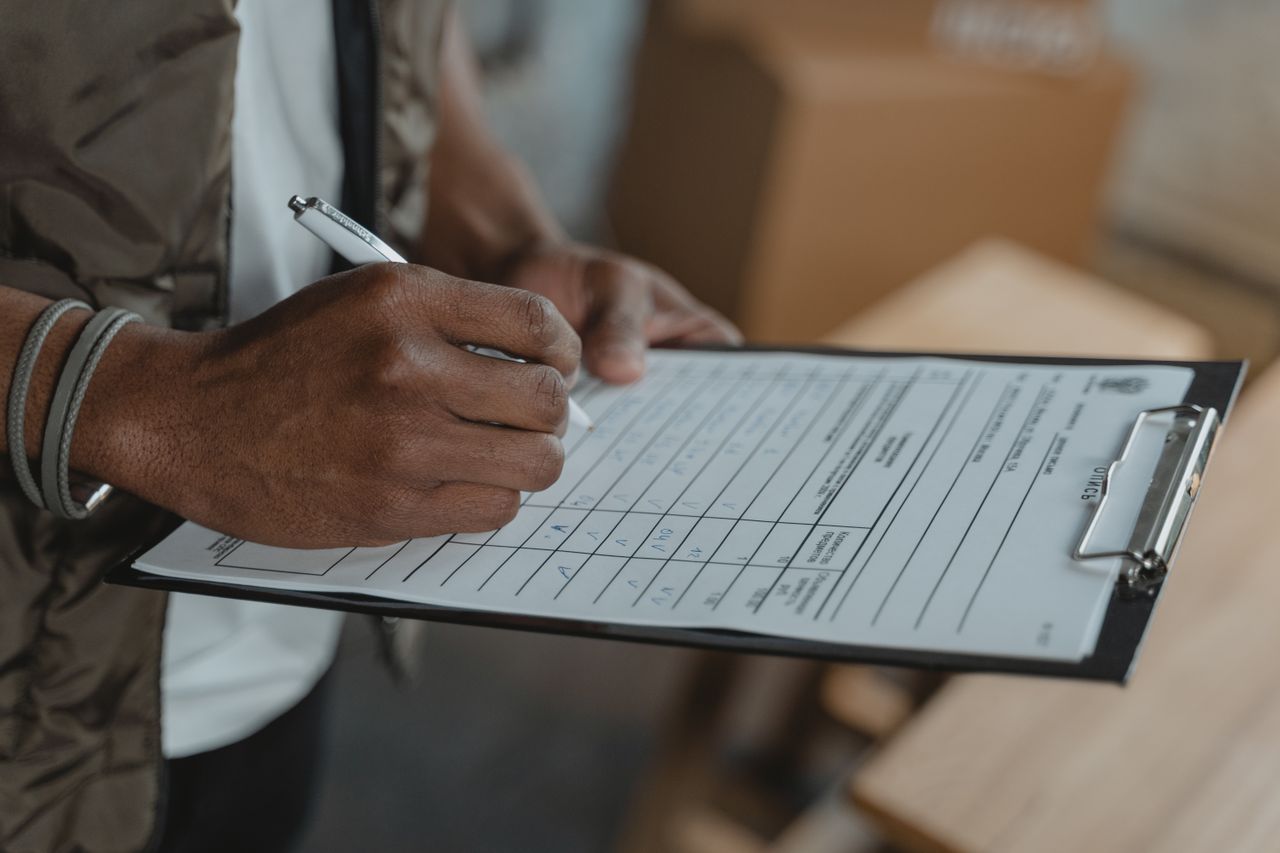
Your supplier sends you a polished brochure. The factory photos look clean. The certifications are listed. But what’s actually happening on the production floor, in the dormitories, and on the payroll records is a different story.
For importers sourcing from China, the gap between what a supplier presents and what an auditor finds is often significant. And increasingly, that gap is your legal and reputational problem, not just theirs.
What Is a Social Compliance Audit
A social compliance audit is a structured, on-site assessment of a supplier’s workplace conditions, labor practices, and ethical standards. It goes beyond product quality and production capacity to evaluate how a factory treats the people who work in it.
The audit is typically conducted by a third-party firm and results in a scored report with findings, non-conformities, and a corrective action plan.
It is not a one-time checkbox. It is an ongoing part of responsible supply chain management.
Why the Pressure on Importers Has Never Been Greater
The regulatory landscape has shifted dramatically in recent years. Buyers can no longer claim ignorance of what happens in their supply chains.
- The UK Modern Slavery Act requires companies above a revenue threshold to report on steps taken to eliminate forced labor from their operations and supply chains.
- The EU Corporate Sustainability Due Diligence Directive (CSDDD) makes it a legal obligation for large companies to identify, prevent, and address human rights and environmental risks across their supply chains.
- The German Supply Chain Act (LkSG) holds German companies directly accountable for due diligence on their direct and indirect suppliers.
These are not voluntary standards. Non-compliance carries financial penalties, import bans, and serious reputational damage.
The question is no longer whether you should audit your Chinese suppliers for social compliance. It’s whether you can afford not to.
If you’re unsure which regulations apply to your business or which audit standard your buyers require, MWT Sourcing can help you map the right framework to your supply chain. Get in touch and we’ll walk you through it.
What a Social Compliance Audit in China Covers
A thorough social compliance audit in China evaluates a factory across several key areas:
- Working hours and overtime. Chinese labor law caps standard hours at 8 per day and 44 per week, with overtime limits of 36 hours per month. Violations here are extremely common.
- Wages and benefits. Are workers paid at least the local minimum wage? Are overtime hours compensated correctly? Are deductions legal and documented?
- Child and forced labor. Any evidence of workers under 16, or indicators of debt bondage, passport confiscation, or restricted freedom of movement, is a critical non-conformity.
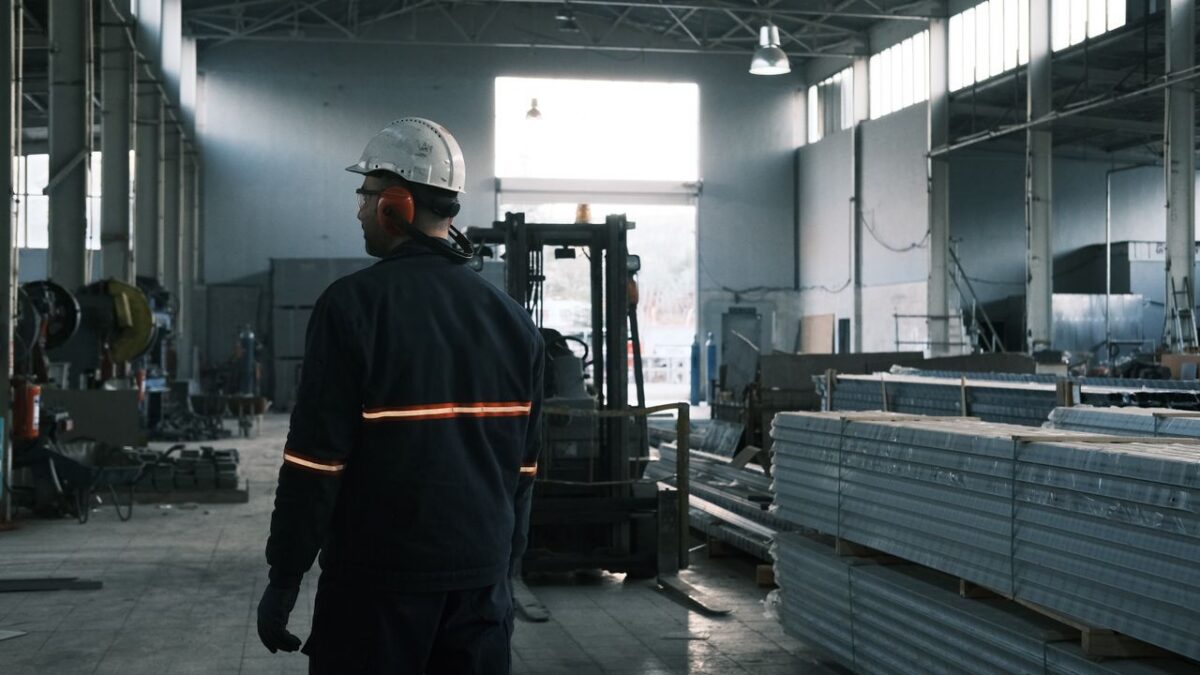
- Health and safety. Emergency exits, fire equipment, PPE availability, chemical handling, machine guarding, and electrical safety are all assessed.
- Freedom of association. Workers’ right to organize or join a union must not be restricted or penalized.
- Environmental responsibility. Waste management, emissions controls, and compliance with local environmental regulations are increasingly included, especially in 4-pillar audits.
Audit Standards and Frameworks
Different buyers and markets require different standards. Here is a quick overview:
| Standard | What It Covers | Who Typically Requires It |
| SA8000 | Labor rights, working conditions, management systems | Brands with strict ethical sourcing policies |
| SMETA 2-Pillar | Labor and health and safety | General retail and consumer goods buyers |
| SMETA 4-Pillar | Labor, H&S, environment, and business ethics | EU and UK retailers with ESG commitments |
| amfori BSCI | Full supply chain social performance | European trade association members |
| WRAP | Factory-level compliance for apparel and footwear | North American apparel brands |
If your buyer hasn’t specified a standard, SMETA is the most widely accepted starting point for China-based suppliers.
What Happens During a Social Compliance Audit
The process follows a structured sequence, typically completed in one to two days on-site.
The auditor opens with a meeting with factory management to explain the scope and agenda. A full facility tour follows, covering the production floor, storage areas, canteen, and dormitories if workers live on-site. The auditor then reviews documentation: payroll records, time sheets, contracts, training logs, and safety inspection reports.
Worker interviews are a critical component. They are conducted confidentially, away from management, and with a cross-section of employees selected by the auditor, not the factory. The goal is to cross-reference what management reports with what workers actually experience.
The audit closes with a briefing to management on initial findings, followed by a written report with non-conformities ranked by severity and a corrective action plan with deadlines.
At MWT Sourcing, we coordinate the full audit process on your behalf, from selecting the right auditing body to reviewing the corrective action plan and following up on closures. Reach out if you need a social compliance audit managed end-to-end.
Common Findings and Red Flags in Chinese Factories
These are the violations auditors encounter most frequently:
- Excessive overtime beyond legal monthly limits, often undocumented
- Blocked or locked emergency exits, particularly in smaller factories
- Missing or inadequate personal protective equipment on the production floor
- Wage discrepancies between official payroll records and actual worker earnings
- Coached worker interviews, where employees repeat rehearsed answers
- Restricted freedom of association, with workers discouraged or penalized for raising concerns
- Incomplete or falsified time and attendance records
Any one of these findings triggers a corrective action requirement. Critical findings, such as evidence of forced labor or child labor, require immediate escalation and typically a suspension of the supplier relationship pending investigation.
Labor Compliance in China Is a Business Risk, Not Just an Ethics Issue
A failed social audit can cost you a major retail contract, trigger a customs hold, or land your brand in a news story you didn’t want to be part of. The reputational and commercial consequences of getting this wrong far outweigh the cost of getting it right.
The importers who handle this well treat social compliance audit China as a standard part of their supplier onboarding and annual review process, not a reactive measure triggered by a buyer’s demand.
At MWT Sourcing, we’ve helped clients across Europe and North America build social compliance into their sourcing operations from the ground up. Whether you’re running your first audit or managing a portfolio of suppliers, we’re here to make the process straightforward. Contact us and let’s talk about what your supply chain needs.