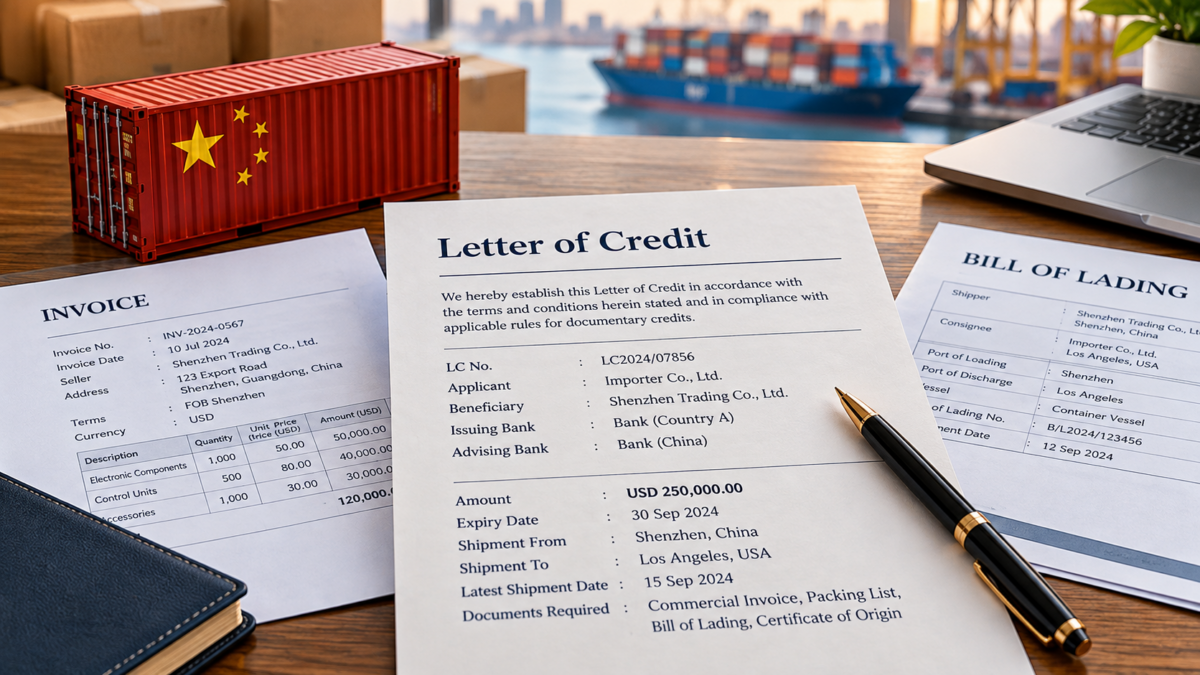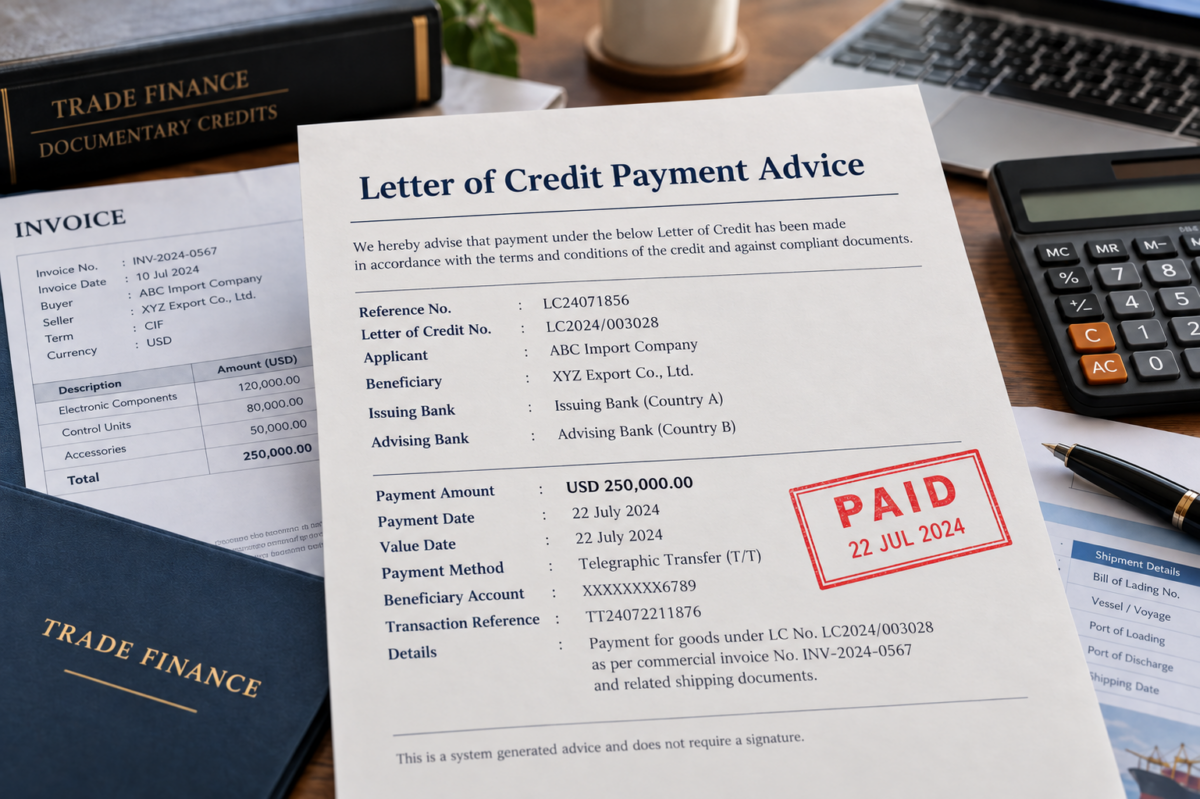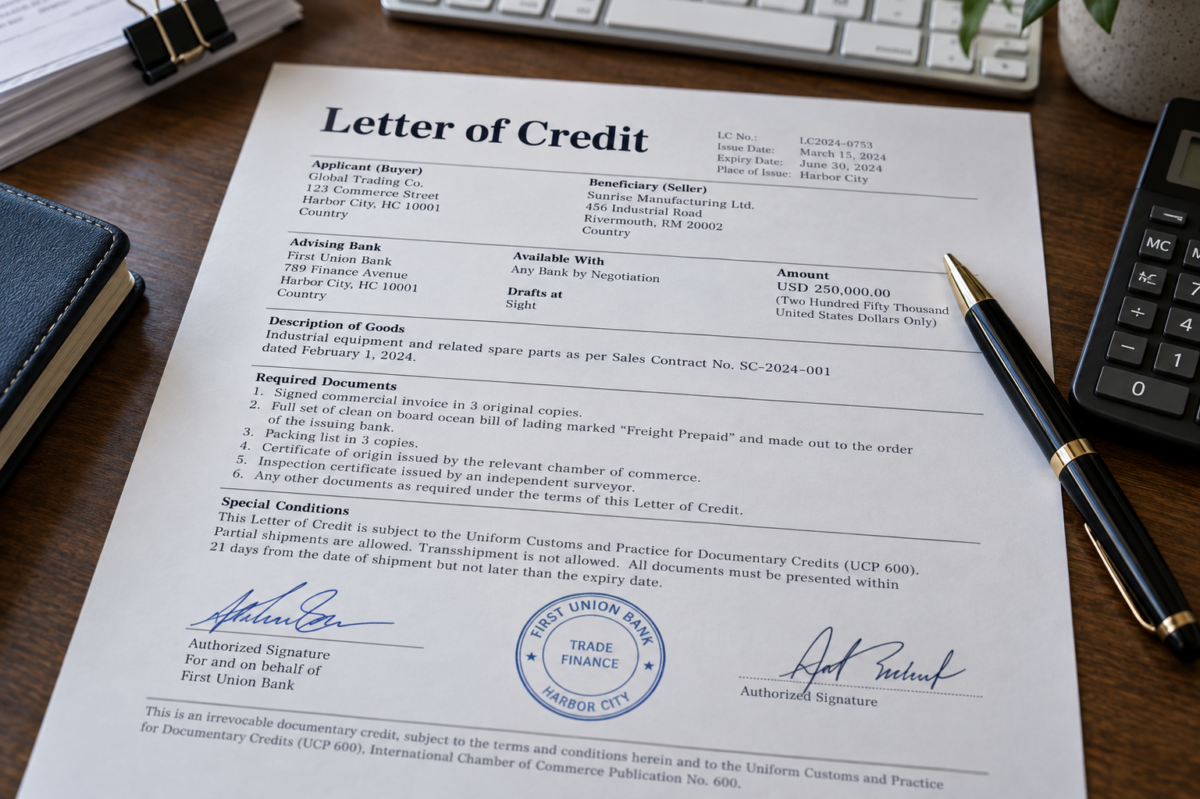




A letter of credit works by linking a bank’s payment undertaking to the presentation of specified documents. The buyer arranges the credit, the supplier checks its terms and ships, and the banks examine the documentary presentation. Payment then follows the credit’s terms if the presentation complies. The goods and the paperwork move through separate processes, so coordinating them is essential.
For procurement teams, the most useful approach is to plan backwards from shipment. Work out when production will be complete, when inspection can happen and when the required documents will be available. Use that schedule to shape the LC rather than fitting the shipment around an unrealistic banking deadline.
This coordination is where MWT can add value. Rather than leaving the buyer to reconcile separate updates from the factory, inspector and shipping provider, we help connect those operational steps to the proposed LC timetable. This can expose unrealistic document requirements or shipment dates before the buyer asks its bank to issue the credit.
Step 1: Agree the transaction before applying
The buyer and supplier agree the product, price, currency, quantity and delivery responsibilities. They also need a clear payment structure: at sight or at a stated maturity, with a defined starting point for any deferred period.
Discuss documentary requirements with the supplier and logistics provider. Who will issue the transport document? Is an inspection certificate needed? Are partial shipments expected? A contract that allows several deliveries and an LC that prevents them will create problems unless the discrepancy is resolved.
Assign one person to consolidate comments. Separate instructions from purchasing, finance and logistics can otherwise reach the bank with contradictory dates or product descriptions.
Step 2: Review the draft and arrange issuance
The buyer applies to its bank, which assesses the transaction and any required facility or cash security. The bank’s approval is a separate step from the supplier accepting the order.
Share the draft LC with the beneficiary before issuance. Check the legal entity names, amount, currency, shipment locations, expiry, presentation place and document requirements. The supplier should confirm that each required document can actually be obtained.
MWT can act as the operational point of coordination between buyer and supplier during this review: collecting the factory’s feedback on document availability, checking production and inspection milestones, and helping the buyer consolidate questions for its bank.
The bank alone decides whether to approve the application, which wording it will accept and whether to issue or amend the LC.
Once issued, the credit is advised through the banking channel. The seller checks the operative credit, even if it previously approved a draft. If a change is needed, obtain the relevant amendment and acceptance before relying on the revised condition. A buyer’s informal email is not a substitute for amending the bank instrument.
Step 3: Coordinate production and shipment

Track material availability, production completion, inspection and transport booking. Where inspection is required, leave time for corrective action. Discovering a packaging defect on the final permitted shipping date creates a commercial problem that cannot be solved by document preparation alone.
Keep draft invoices and packing details aligned with the actual order. If the quantity changes, check the credit’s wording and applicable tolerances before assuming the new quantity will be accepted. Ask the bank whether an amendment is needed while there is still time to arrange it.
MWT’s supplier management and quality control services help keep the buyer, factory and sourcing milestones aligned with the LC timetable. We can collect supplier updates, check operational document availability and flag potential shipment delays early, giving the buyer clearer information for any discussion with its bank. MWT facilitates the process but neither issues the LC nor determines whether a presentation is compliant: those decisions sit with the relevant banks.
Step 4: Present the documents within the right window
The seller presents the required documents at the place specified in the LC. Depending on the transaction, these may include an invoice, packing list, transport document and certificates. The required set should be agreed for the shipment, rather than copied from an unrelated purchase.
There are three separate dates to monitor: the latest shipment date, the presentation deadline and expiry. Under UCP 600, unless modified by the credit, a presentation including original transport documents covered by articles 19 to 25 must be made within 21 calendar days after shipment and no later than expiry.
Here is a fictitious timeline for an LC requiring presentation within 21 days and deferred payment 60 days after shipment.
| Event | Example date | Operational meaning |
| Actual shipment | 1 June | Starts the stated presentation and payment periods |
| Latest permitted shipment | 5 June | Shipment on 1 June is within this limit |
| Presentation of documents | 10 June | Documents are submitted for bank examination |
| Presentation deadline | 22 June | Twenty-one calendar days after actual shipment |
| LC expiry | 30 June | Does not extend the earlier presentation deadline |
| Payment maturity | 31 July | Illustrative 60-day maturity, subject to the credit’s terms |
The vessel does not have to complete its journey before documents are presented. Waiting for arrival can cause an otherwise avoidable late presentation.
Step 5: Bank examination and payment
Under the UCP 600 framework explained by ICC Academy, the nominated bank acting on its nomination, a confirming bank if any, and the issuing bank each have up to five banking days following presentation to determine compliance. This is an examination period for each relevant bank, not a promise that the whole transaction will settle within five days.
With a complying presentation, payment or the undertaking to pay at maturity follows the LC’s availability terms. Merely advising a credit or receiving documents does not automatically turn a bank into a confirming bank.
If discrepancies are found, obtain the precise reasons. The seller may be able to correct and present again within the available time. The issuing bank may seek a waiver from the buyer, but the buyer’s agreement alone does not automatically bind every bank involved. Escalate quickly while preserving the relevant deadlines.
Build a repeatable process for the next shipment

After completion, record what caused delays: a missing signature, a late transport document, an unrealistic inspection date or an avoidable amendment. Assign a corrective action to the responsible party. This makes the next purchase easier to manage without adding unnecessary conditions to every LC.
Maintain a shared checklist showing each document’s issuer, expected date, owner and status. Store accepted credit terms and amendments together so the supplier is not working from an outdated version.
Two practical use cases
The following examples are fictional and show how the workflow can change during a purchase.
Production finishes later than expected
A furniture supplier reports that drying and finishing will take an additional week. The revised loading date falls after the LC’s latest shipment date. The buyer updates the sourcing schedule and requests the necessary amendment through its bank. The supplier checks that both the presentation window and expiry remain workable. A revised purchase order alone would leave the original banking deadline unchanged.
The supplier proposes a different production site
An equipment supplier proposes moving production to a subcontractor after the credit has been issued. The buyer arranges a factory audit before approving the operational change. Separately, it checks with the bank whether the move affects any LC requirement, such as a named inspection location or document issuer. The parties amend the credit if needed; approving the new factory does not itself change the bank instrument.
Frequently asked questions
Must all wording be identical across the documents
Not in every respect. Applicable requirements must be met and the data must not conflict. Banks interpret the presentation under the credit, UCP 600 where incorporated, and international standard banking practice.
Can a late shipment be fixed by changing the invoice
No. Documents must reflect the real transaction. Discuss any required amendment with the buyer and banks; do not alter facts to disguise a missed deadline.
Speak with MWT Sourcing about your next order: we can coordinate supplier readiness, production, inspections and shipping milestones to support the operational preparation of your letter of credit. Your bank handles issuance, amendments and payment decisions.